Specialized Care for Growing Hands

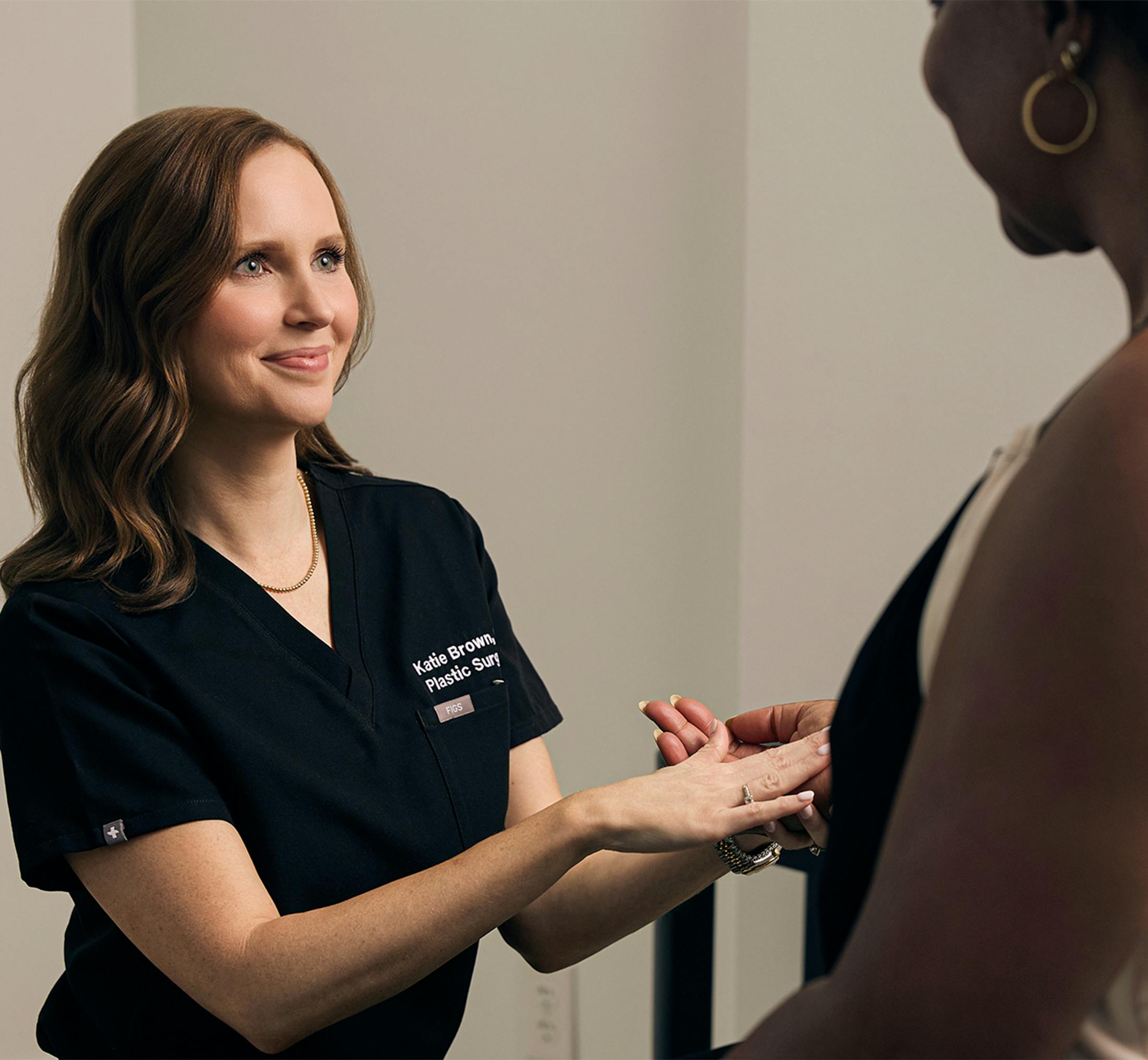
A child born with a difference in the shape or structure of their hand deserves a surgeon who understands both the medical and emotional sides of that journey. At Plastic Surgery Associates of Mississippi, congenital hand deformities in Jackson, MS, are treated by a board-certified/eligible surgeon trained in hand and upper extremity care, guiding families through every stage of treatment.

What Are Congenital Hand Deformities?

Congenital hand deformities are differences in the structure of the hand or fingers that are present at birth, ranging from webbed or fused fingers to extra digits, missing bones, or underdeveloped areas of the hand. Treatment for congenital hand deformities depends on the specific condition and its effects on your growth and function over time.

Addressing these conditions early can offer the following benefits for children and their families:

  • Improved Hand Function: Correcting structural differences helps support your child's grip, dexterity, and coordination as they grow.
  • Support for Natural Growth: Early treatment can help prevent complications that might otherwise worsen as bones and joints develop.
  • Boosted Confidence: Addressing visible differences early can help children feel more comfortable in social and school settings.
  • Coordinated, Long-Term Care: Families benefit from a surgeon who follows a child's hand development over multiple years, not a single visit.
  • Tailored Treatment Timing: Some conditions are best addressed in infancy, while others benefit from waiting until a child is older.

Banner media

Why Choose Plastic Surgery Associates of Mississippi?

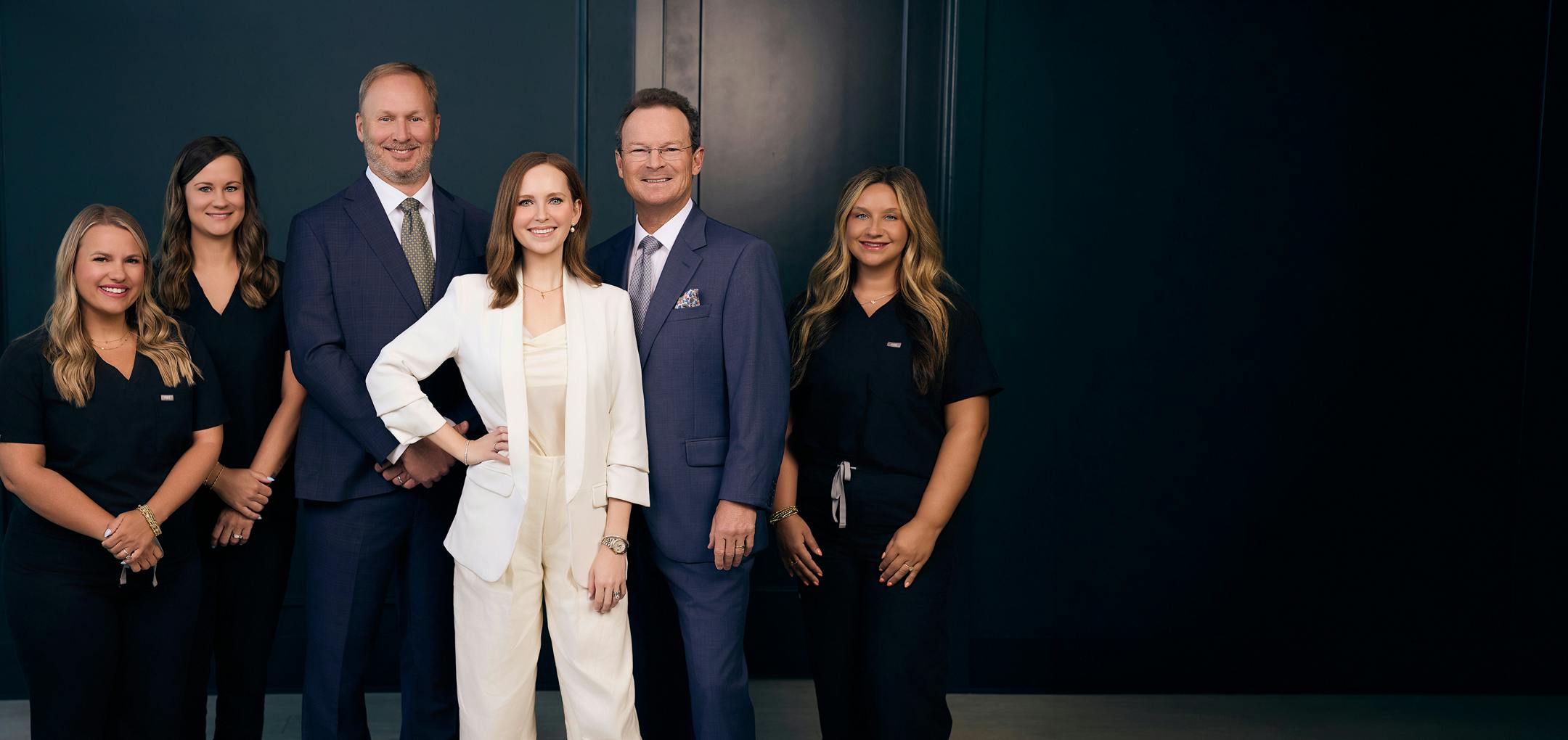
Families searching for care for congenital hand deformities in Jackson, MS, deserve a surgeon with both technical skill and experience treating children. Every surgeon at Plastic Surgery Associates of Mississippi is board-certified/eligible, and our hand surgery care is led by Dr. Eric Wegener, who holds a Certificate of Added Qualification in Hand Surgery from the American Board of Plastic Surgery, a credential held by only a small number of surgeons in the state. Our team combines this specialized training with a boutique, physician-led approach, giving families direct access to their surgeon rather than being shuffled between providers. With locations across Jackson, Flowood, Forest, and McComb, families throughout Mississippi can find comprehensive hand care close to home, supported for as long as treatment requires.

Doctor media

What to Expect From Your Child’s Congenital Hand Deformity Treatment

1. A Confidential Evaluation

Your child's first visit will include a full evaluation of their hand's structure, movement, and function, often supported by imaging to understand the underlying bone and tissue anatomy. We’ll also discuss your family history and any related conditions.

2. Developing a Customized Treatment Plan

Your treatment plan will be built around your child's specific condition, age, and expected growth pattern. Some conditions call for surgery in infancy, while others are monitored and treated later, once the hand has developed further.

3. Your Procedure Day Experience

Surgery is performed under general anesthesia for your child’s safety and comfort, and the length will vary significantly depending on the deformity being addressed, from a single-stage procedure to a more involved multi-step approach. We’ll walk your family through what to expect before the day arrives.

4. Taking Your Child Home

After surgery, you and your child will spend time in a private recovery room before being discharged, typically the same day for most procedures. We’ll review dressing care, activity limits, and pain management with you before leaving.

Schedule A Consultation

(601) 936-0936 Contact Us
Contact us media

Gentle Recovery

Recovery from surgery for congenital hand deformities in Jackson, MS, varies widely depending on your child's age, the specific condition treated, and whether the procedure involved bone, tendon, or soft tissue. Younger children often heal quickly, though a period of splinting or casting is common to protect the hand while it settles into its new structure. We monitor healing closely during follow-up visits at our Jackson practice, since a growing hand can continue to change for years after the initial procedure. Occupational therapy is frequently part of the recovery process, helping children build strength, coordination, and confidence using their hands in everyday activities.

Your Post-Op Process

Following surgery, your child will typically wear a cast or splint for several weeks to protect the treated area while it heals. You’ll be given a set of aftercare instructions, which may include the following items: 

  • Incision care and cleaning protocols when wearing a cast or splint
  • Activity limitations
  • Sleep position restrictions to minimize pressure on the hand
  • Pain management strategies

Because children continue to grow, we stay involved well beyond the initial recovery period, watching for any changes that may call for additional treatment down the road.

Moving With Confidence and Freedom 

Many children treated for congenital hand deformities go on to develop strong, functional use of their hands as they grow. Results continue to evolve as the hand develops throughout childhood. With us, you can expect ongoing guidance at every stage.

Congenital Hand Deformities FAQs

At what age should a congenital hand deformity be treated?

Timing depends on the specific condition, with some treated in infancy and others monitored until a child is older. We’ll help you and your family understand the right timeline for your child's situation.

Will my child need more than one surgery?

Some conditions require a single procedure, while others involve staged treatment as the hand grows. We’ll discuss the likely course of treatment during your initial evaluation.

How do I know if my child's hand difference needs treatment?

Not every structural difference requires surgery. An evaluation with a hand specialist can help determine whether treatment would support your child's function and development.

Will insurance cover treatment for a congenital hand deformity?

Treatment is generally considered medically necessary and is typically covered by insurance, though coverage can vary. Our team can help you understand what applies to your plan.

Can congenital hand deformities run in families?

Some conditions have a genetic component, while others occur without a known family history. We can discuss what is known about your child's specific condition during your visit.

Schedule a Consultation

As founding partners and long-standing members of the local medical community, we have spent our careers dedicated to the health and well-being of our neighbors.

Contact Us
Contact us media
Accessibility: If you are vision-impaired or have some other impairment covered by the Americans with Disabilities Act or a similar law, and you wish to discuss potential accommodations related to using this website, please contact our Accessibility Manager at (601) 936-0936.
Contact Us