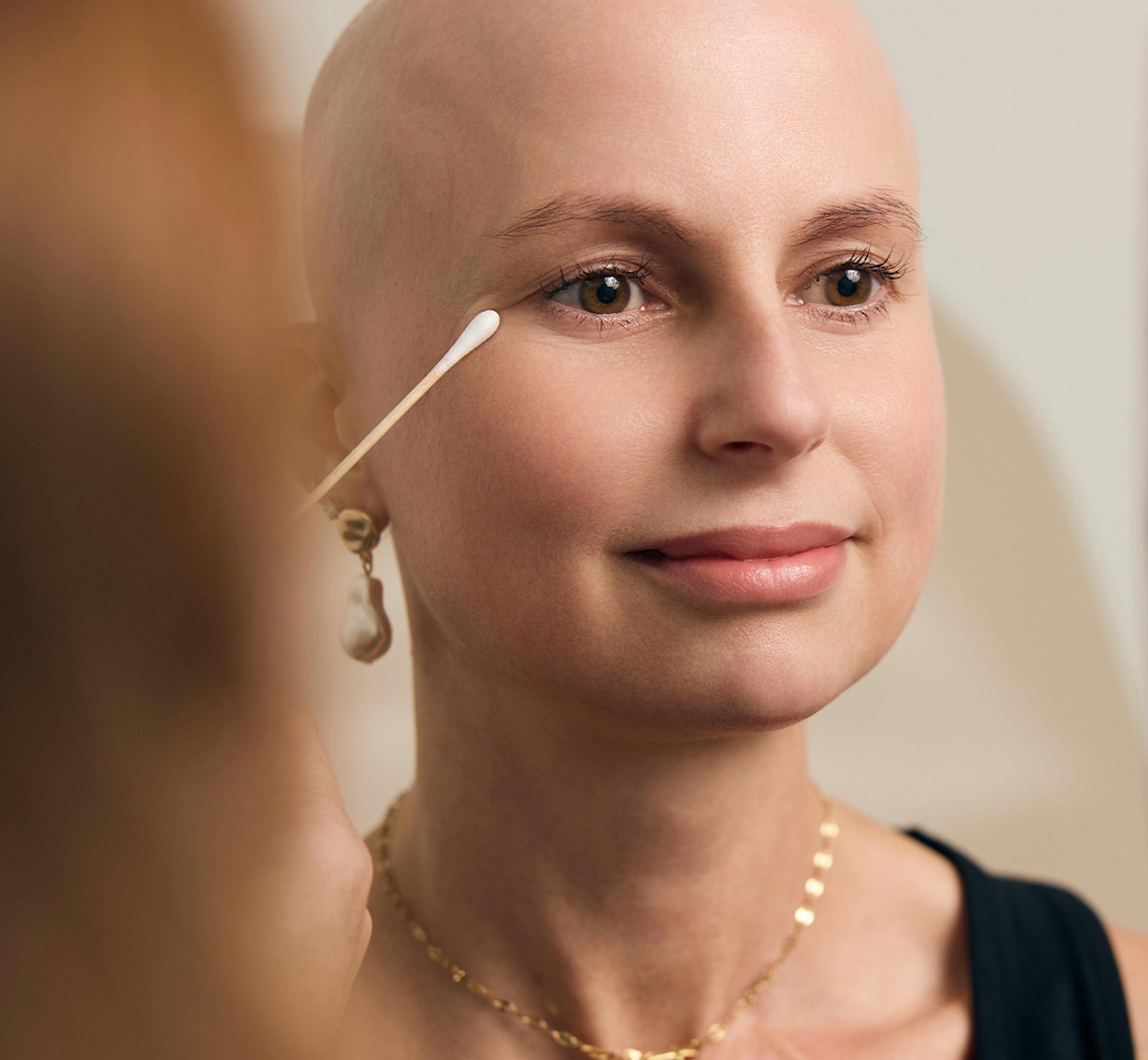
Restoring Your Skin and Peace of Mind

A suspicious spot or changing mole can be unsettling, and knowing it needs to be addressed doesn't make the process feel any less overwhelming. Because our team includes board-certified/eligible surgeons experienced in both removal and reconstruction, we treat the cancer thoroughly while paying close attention to how the area looks and heals afterward.

A doctor helping a patient

What Is Skin Cancer Removal?

Skin cancer removal is a surgical procedure that excises cancerous tissue from the skin, along with a margin of surrounding tissue, to help ensure the cancer has been fully addressed. Depending on the size and location of the affected area, closure may involve simple stitching, a skin graft, or another reconstructive technique to support proper healing.


The Benefits of Skin Cancer Removal

  • Thorough Treatment: Removal addresses the cancerous tissue directly, along with a margin to help confirm complete treatment.
  • Attention to Appearance: Reconstructive techniques are used when needed to support a well-healed, natural-looking result.
  • Fast Turnaround: Many removal procedures are completed in a single visit, depending on the size and location of the affected area.
  • Peace of Mind: Removed tissue is typically sent for pathology to confirm clear margins and give you clarity going forward.
  • Coordinated Follow-Up: Our team stays involved through healing and any additional monitoring your case may call for.

Schedule A Consultation

(601) 936-0936 Contact Us
Contact us media

Is Skin Cancer Removal Right for Me?

If a dermatologist or physician has identified a concerning spot, or you've noticed a mole or lesion that's changed in size, shape, or color, a consultation is the place to start. During your evaluation, we'll assess the affected area and discuss the most appropriate removal and reconstruction approach for your situation.

women holding her face

The Skin Cancer Removal Process What to Expect

1. Private Consultation

We evaluate the affected area, review any prior diagnosis or biopsy results, and discuss your treatment options.

2. Personalized Treatment Plan

We determine the appropriate removal technique and any reconstructive approach needed based on the size and location of the area.

3. Treatment Day

The procedure is typically performed in-office or in a surgical setting, with local or general anesthesia as appropriate.

4. Initial Healing Phase

We provide detailed care instructions for the treated area, along with guidance on activity and incision care.

Background media

Your Skin Cancer Removal Results and Recovery

Recovery depends on the size and location of the removed area, along with whether reconstruction, such as a skin graft, was needed. Most patients experience some swelling or tenderness initially, which improves over the following days to weeks. We'll follow up to confirm the area is healing well and discuss pathology results as they become available.

Why Choose Plastic Surgery Associates of Mississippi?

Skin cancer removal calls for a team that treats both the diagnosis and the outcome seriously.

  • Surgeon-Guided Precision: Our approach to skin cancer removal is informed by the same anatomical expertise and attention to detail that shapes our reconstructive procedures.
  • A Boutique Approach to Every Visit: Whatever the size of the area involved, you receive our full attention and an unhurried consultation.
  • Reconstruction When You Need It: When removal affects a visible or sensitive area, we're equipped to address both the medical and aesthetic sides of your recovery.
  • Twenty-Five Years in Mississippi: Our team has been doing this work, together and separately, for a quarter-century, long enough to know what holds up over time.
Doctor media

Skin Cancer Removal Frequently Asked Questions

Do I need a biopsy before scheduling removal?

In most cases, yes. A biopsy typically confirms the diagnosis before a removal procedure is scheduled, though we can also help coordinate this step if you haven't already had one.

Will I need reconstruction after skin cancer removal?

This depends on the size and location of the affected area. Smaller areas may only need simple closure, while larger or more visible areas may benefit from a reconstructive technique like a skin graft.

How long does the removal procedure take?

Many procedures are completed within an hour or so, though this varies based on the size and location of the affected area.

Will I have a visible scar after removal?

Some scarring is expected after any skin cancer removal. We take care to minimize its visibility and can discuss scar revision options once the area has fully healed, if needed.

How do I know if the cancer was fully removed?

Removed tissue is typically sent for pathology testing to confirm clear margins. We'll review these results with you and discuss any next steps.

Does insurance cover skin cancer removal?

Skin cancer removal is generally considered medically necessary and is typically covered by insurance. We can help you understand what applies to your specific situation.

What happens if the cancer wasn't fully removed on the first attempt?

If margins aren't clear, an additional procedure may be recommended to remove any remaining cancerous tissue. We'll walk you through this process if it applies to your case.

Schedule a Consultation

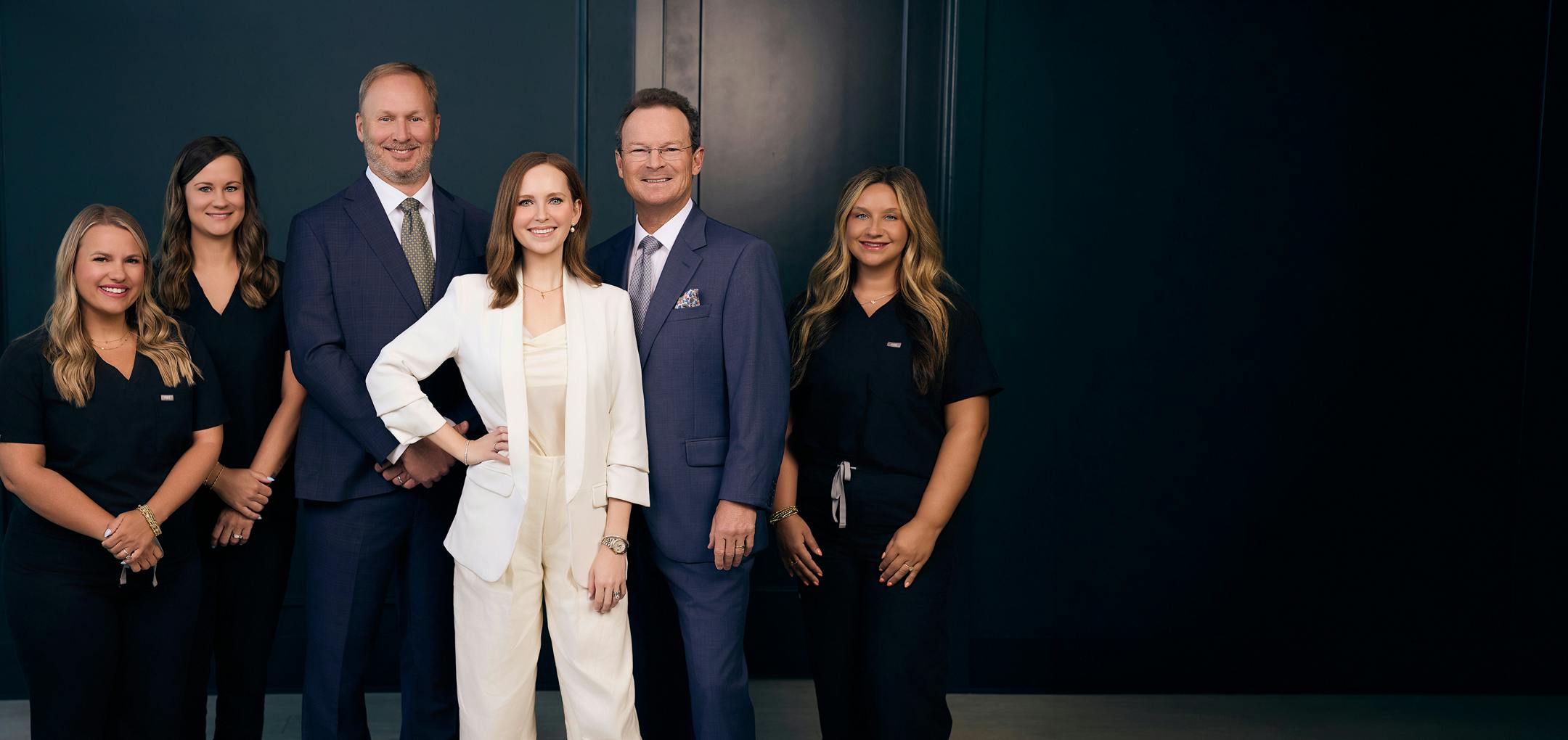
As founding partners and long-standing members of the local medical community, we have spent our careers dedicated to the health and well-being of our neighbors.

Contact Us
Contact us media
Accessibility: If you are vision-impaired or have some other impairment covered by the Americans with Disabilities Act or a similar law, and you wish to discuss potential accommodations related to using this website, please contact our Accessibility Manager at (601) 936-0936.
Contact Us