Proper Healing Starts With the Right Diagnosis

A hand or wrist fracture can affect much more than comfort. Without proper treatment, it can heal incorrectly and limit movement, strength, or function long after the injury itself has healed. Because our team includes board-certified/eligible surgeons experienced in hand surgery, we treat fractures with the same precision and attention to detail that shapes every procedure we perform.

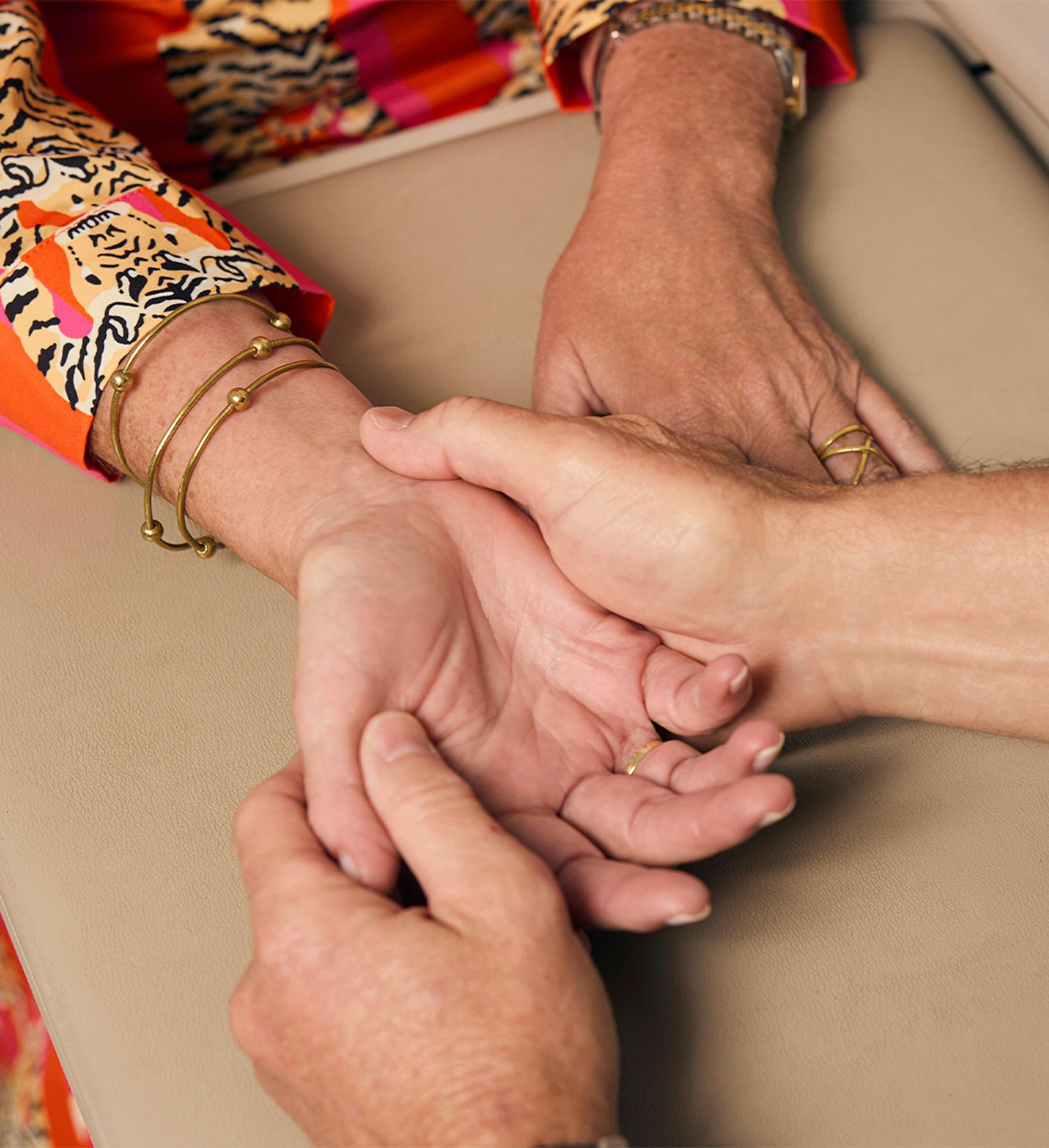
Two people's hands

Recognizing a Hand or Wrist Fracture

Common signs of a fracture include significant pain, swelling, bruising, or visible deformity in the hand or wrist, particularly following a fall, direct impact, or other injury. Some fractures are obvious right away, while others, especially smaller or less displaced breaks, can be mistaken for a bad sprain. If pain or swelling is significant or doesn't improve within a day or two, it's worth being evaluated, since imaging is often the only reliable way to confirm a fracture.


What Happens Without Proper Treatment

An untreated or improperly healed fracture can lead to lasting stiffness, reduced grip strength, chronic pain, or a visible deformity that may eventually require a more involved corrective procedure to fix. Prompt, appropriate treatment gives the bone the best chance to heal correctly the first time.

The Fracture Treatment Process What to Expect

1. Private Consultation

We evaluate your injury, often using imaging like an X-ray, to assess the fracture's severity and location.

2. Personalized Treatment Plan

We determine whether casting, splinting, or surgical stabilization is the appropriate approach for your specific fracture.

3. Treatment Day

Depending on your plan, treatment may involve a cast or splint applied in-office or a surgical procedure performed under anesthesia.

4. Initial Healing Phase

We provide detailed guidance on immobilization, activity restrictions, and early signs of proper healing.

Background media

Your Fracture Treatment Results and Recovery

Recovery time varies depending on the fracture's severity and treatment approach, ranging from several weeks for a straightforward fracture treated with casting to a longer recovery for more complex surgical repairs. Many patients benefit from physical or occupational therapy during recovery to restore full strength and movement. We'll follow up regularly to monitor healing and adjust your treatment plan as needed.

Woman posing

Schedule A Consultation

(601) 936-0936 Contact Us
Contact us media

Why Choose Plastic Surgery Associates of Mississippi?

Fracture treatment calls for a team that understands both the mechanics of the hand and the urgency of proper care.

  • Four Board-Certified Surgeons, One Standard: Every fracture we treat reflects decades of refined surgical judgment and attention to function.
  • A Boutique Approach to Every Patient:  Even for an urgent concern, you receive our full attention and a carefully considered treatment plan.
  • Twenty-Five Years in Mississippi: Our team has been doing this work, together and separately, for a quarter-century, long enough to know what holds up over time.
  • A Partner From Diagnosis Through Recovery: Our involvement doesn't end once your fracture is set. We stay with you through every stage of healing.
Doctor media

Hand & Wrist Fracture Treatment Frequently Asked Questions

How do I know if I have a fracture rather than a sprain?

Significant pain, swelling, bruising, or visible deformity are common signs, though imaging is often needed to confirm a diagnosis. If you're unsure, it's worth being evaluated promptly.

Will I need surgery for my fracture?

This depends on the severity and location of the break. Many fractures heal well with casting or splinting alone, while more complex fractures may require surgical stabilization.

How long does it take for a hand or wrist fracture to heal?

This varies by fracture, but most bones take around six to eight weeks to heal, with additional time often needed to restore full strength and movement.

Will I need physical therapy after treatment?

Many patients benefit from physical or occupational therapy to help restore a full range of motion and strength, particularly after more complex fractures.

Does insurance cover fracture treatment?

Fracture treatment is generally considered medically necessary and is typically covered by insurance. We can help you understand what applies to your specific situation.

Can I be seen quickly if I think I have a fracture?

Yes, we understand these injuries often need prompt attention, and our team works to accommodate timely evaluation for suspected fractures.

Will my hand or wrist be the same after healing?

With proper treatment, most patients regain full or nearly full function, though recovery of strength and range of motion can take time and, in some cases, therapy.

Schedule a Consultation

As founding partners and long-standing members of the local medical community, we have spent our careers dedicated to the health and well-being of our neighbors.

Contact Us
Contact us media
Accessibility: If you are vision-impaired or have some other impairment covered by the Americans with Disabilities Act or a similar law, and you wish to discuss potential accommodations related to using this website, please contact our Accessibility Manager at (601) 936-0936.
Contact Us